

In flight medical emergencies are up 1 in 212 flights: Is it a consequence of global travel or is flying getting worse for our health?
How do we know in flight Medical Emergencies are on the rise?
In the largest-to-date comprehensive study on in-flight medical emergencies published in Journal of American Medical Association (JAMA) shows a “real world snapshot,” of what happens in the sky. They studied over 70,000 flights by 84 airlines both international and domestic over the course of a year and found that 1 in every 212 flights reported a medical emergency in-flight.
The good news is only 8 % of all in flight emergencies resulted in hospitalizations with the chance of dying reported less than 1 % of the time. However, response times and outcomes were much worse in life-threating medical emergencies than if the same event happened on land.
This is especially true with cardiac arrests and strokes where every minute counts. That said, outcomes of medical emergencies have improved over the years thanks to better trained crews, and improved communications with on-land real time medical support teams called ground based medical support services (GBMS). However, we continue to rely on the good Samaritan help of passengers who are doctors and nurses to volunteer their services and medical expertise during emergency medical events in-flight.
What medical emergencies happens in-flight?
The most common medical emergencies say the Centers for Disease Control and Prevention (CDC) are in-flight dizziness, passing out (syncope), nausea and vomiting, and respiratory problems. The most serious medical conditions causing aircraft diversion are passengers with stroke-like symptoms, chest pain, and confusion sometimes called altered mental status. Other reasons would include injury from in-flight turbulence, and anaphylaxis or severe allergic reactions with the most common allergies being peanuts, tree nuts, and seafood.
In fact, allergic reactions and anaphylaxis (life-threatening allergy) can be one of the most serious events while flying causing planes to divert up to 4.5 % of the time. It’s important if you have food allergies to let the airline and crew know in advance as they can put safety measures in place including seating in special zones, avoiding snacks or meals that contain your allergen, and heightened awareness for the other passengers to do the same. It’s also important to wipe off your tray, avoid use of pillows and blankets depending on the extent of your allergy to avoid cross contamination, and to bring certain medications like an EpiPen (epinephrine) especially for people with severe allergies when travelling.
Interestingly, based on the recent study most of the medical emergency events were reported on international flights in large wide-bodied aircrafts, and on long-haul routes. The good news is half of the emergencies improved or were treated successfully during the flight, 8 % were hospitalized and rarely was the medical emergency so serious the plane had to be re-routed or diverted. The most likely reason for diversion was a suspected stroke, or heart attack. The study found that the chance of being diverted went up if a doctor participated in your care.
Cardiac arrest requiring chest compressions or CPR (cardiopulmonary resuscitation) or use of automatic external defibrillators (AED or devices that shock your heart) are also available in-flight. In the study, there were 312 reported in flight deaths which accounted for less than 1 % of all the passengers on board.
Medical personnel are needed during serious in-flight emergencies, and the flight crew although trained in CPR will either ask for a physician or nurse passenger to assist or communicate with ground based medical support teams to guide treatment. Doctors may feel apprehensive to respond effectively to a medical emergency citing limited medical equipment, lack of backup, or access to labs in-flight. In the U.S. it is not mandatory that doctors respond to in-flight medical emergencies unlike other countries where it is expected.
What can be done in-flight during a Medical Emergency?
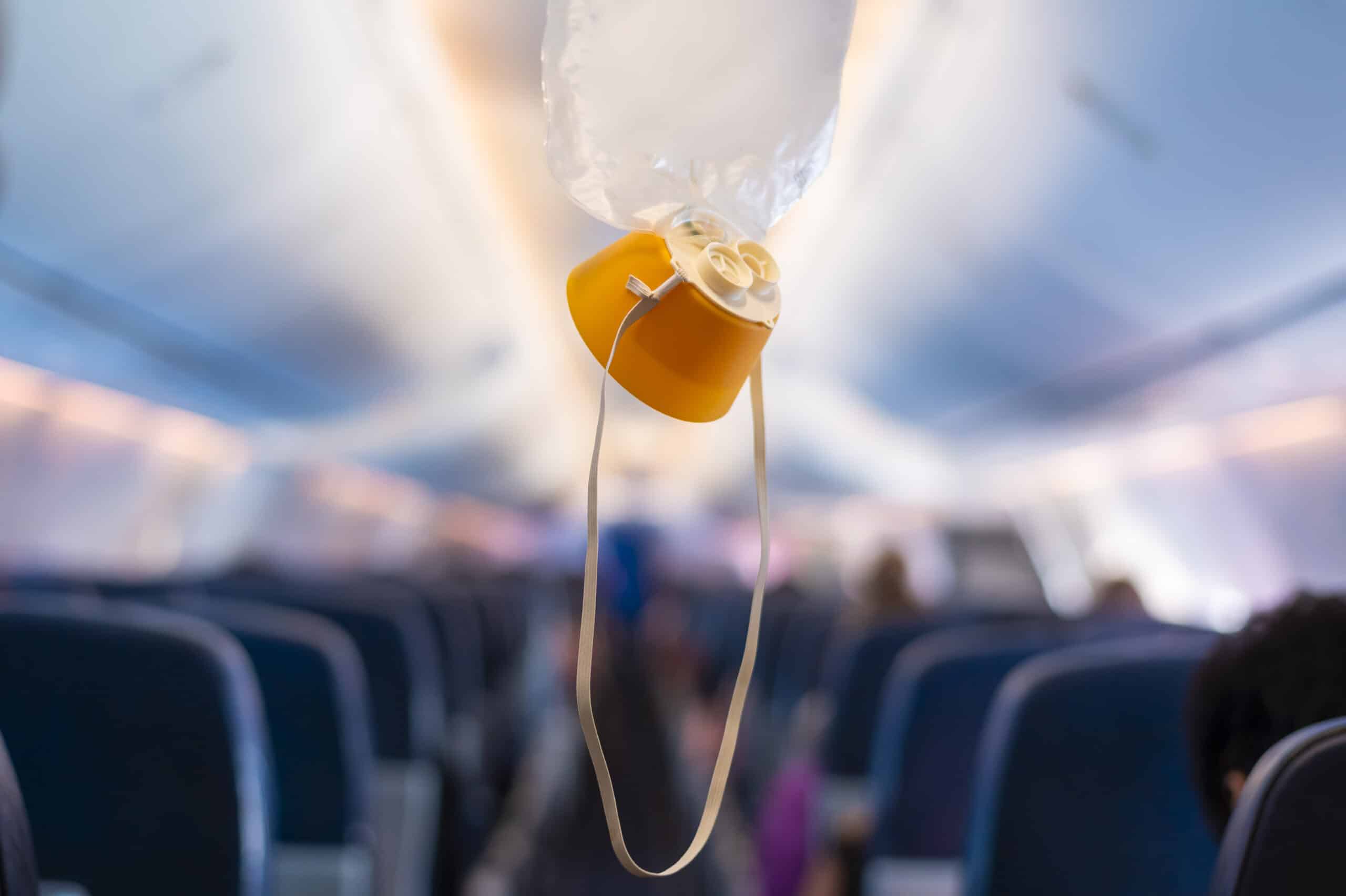
The airplane crew initially responds to the medical situation and has medical equipment on board to assist if needed. This may include an oxygen mask, emergency medical kit, first aid kit, or use of an automatic external defibrillator (AED) for cardiac arrests. The oxygen mask is the most frequent piece of equipment used during in-flight emergencies.
The emergency medical kit contains intravenous (IV) line tubing, heart medications, EpiPens (for severe allergic reactions), airway kits, breathing treatments, and a stethoscope. The flight attendants are trained to use the emergency medical kit in the event of an emergency.
If the situation is more serious and there is not a doctor passenger on board to assist, the flight crew reaches out using communication tools to an aviation-based telemedicine or ground based medical support services (GBMS) for guidance. Usually, the medical condition can be stabilized in flight, and in only about 1.7 % cases says the study is it serious enough to divert the flight.
Females tend to have more in-flight medical emergencies than men and is more common in people over the age of 40 with heart and stroke symptoms happening in passengers who are older and sicker.
What about airplane travel leads to more in-flight emergencies?
Based on the study, the majority of in-flight emergencies were on international flights notably on the long-haul routes in wide body planes. Longer flights put higher physiological stress of air travel on the body including restricted mobility, reduced cabin pressures, and lower oxygen tension especially at cruising altitudes of 32,000 to 43,000 feet. High altitudes can also lower cabin humidity impact your taste buds making food appear bland.
Stress and anxiety may lead to more flight emergencies. Stresses of travel can range from “fear of flying,” to waiting in long lines, carrying heavy bags, sitting in cramped seats, and worrying about delays in travel and making connecting flights. Anxiety and worry can drive up your heart rate and coupled with changes in cabin pressure, temperature, and lower humidity may lead to a medical emergency especially if you have heart, asthma, or breathing problems.
Physiologic stresses during flight includes reduced cabin pressures at cruising altitudes with 25-30 % less oxygen compared to that at sea level or on land. The body responds to the slight fall in oxygen levels by breathing faster with higher hearts rates in an attempt to get more oxygen. This may be of no consequence if you are healthy however passengers with heart, or lung conditions may be at risk. If you are at risk, consider discussing with your doctor about bringing portable oxygen tanks especially during long international flights.
Cabin pressure changes can cause the familiar “blocked ear or sinus,” feeling that many of us get while flying. Strategies to help are yawning or chewing gum especially at takeoff and landing or using a decongestant nasal spray.
Dry cabins (due to low humidity) can also irritate the mucus membranes of the mouth and upper throat. Keeping well hydrated especially for passengers taking water pills or diuretics may be helpful. Changes in cabin pressure can also cause bowel problems and “bloating.” Consider passing on that greasy burger and fries at the airplane terminal and avoid other foods that makes your bloating worse.
We suggest on long hauls moving around every few hours, staying hydrated, and limiting caffeine and alcohol intake. So, stretch out, consider wearing compression stockings (to prevent leg swelling and getting blood clots), and eating light frequent meals and snacks to keep the body in balance. Airlines on long-hauls adjust lighting to simulate sunrise and sunset to help with sleep-wake cycles and jet lag. Even in economy class they add on extra perks like upgraded cushions, and better air circulation.
Any last advice on air travel and medical emergencies?
Nearly 5 billion passengers travelled by air last year with 1.5 million in the air at any one time. In flight medical emergencies have gone up from 1 in 604 to 1 in 212 flights. The reason for the uptick is not clear but likely from more air travel and passengers per flight with events that may have happened on the ground now happening in the air. However, this does not explain the significantly higher rates of events on international compared to domestic flights which raises concerns about physiological demands on long-haul flights especially in older and sicker passengers.
The good news is the majority of events like light-headedness, nausea and vomiting resolves in flight with only a fraction of cases being serious medical emergencies including strokes, and heart attacks.
My advice before you take your next flight especially if planning to travel overseas or internationally is to review your medical history with your doctor especially if you have lung, or heart conditions as there may be strategies to avoid a serious medical emergency in flight. It’s also important if you do have medical problems to bring a copy of your medical records and medications with you when travelling.
Remember to dress in soft layers for comfort, consider bringing eye masks especially on long-hauls to sleep better, using re-usable water bottles to stay hydrated, and for those technically savvy to pre-load movies, and podcasts for entertainment, and remember to eat protein bars and snacks to help maintain your energy levels and try to avoid caffeine and alcohol.
And rest assured that your flight crew is there to help and in serious and life-threatening situations a doctor or nurse volunteer on board may be available or ground based medical support services to help. That said, the rate of in-flight medical emergencies is on the rise so important to buckle up in flight, bring your medications, and if feeling sick consider rescheduling your trip and staying home.
If you have any questions reach out to AskDoctorH, we are here to help.
 Have Questions? AskDoctorH