


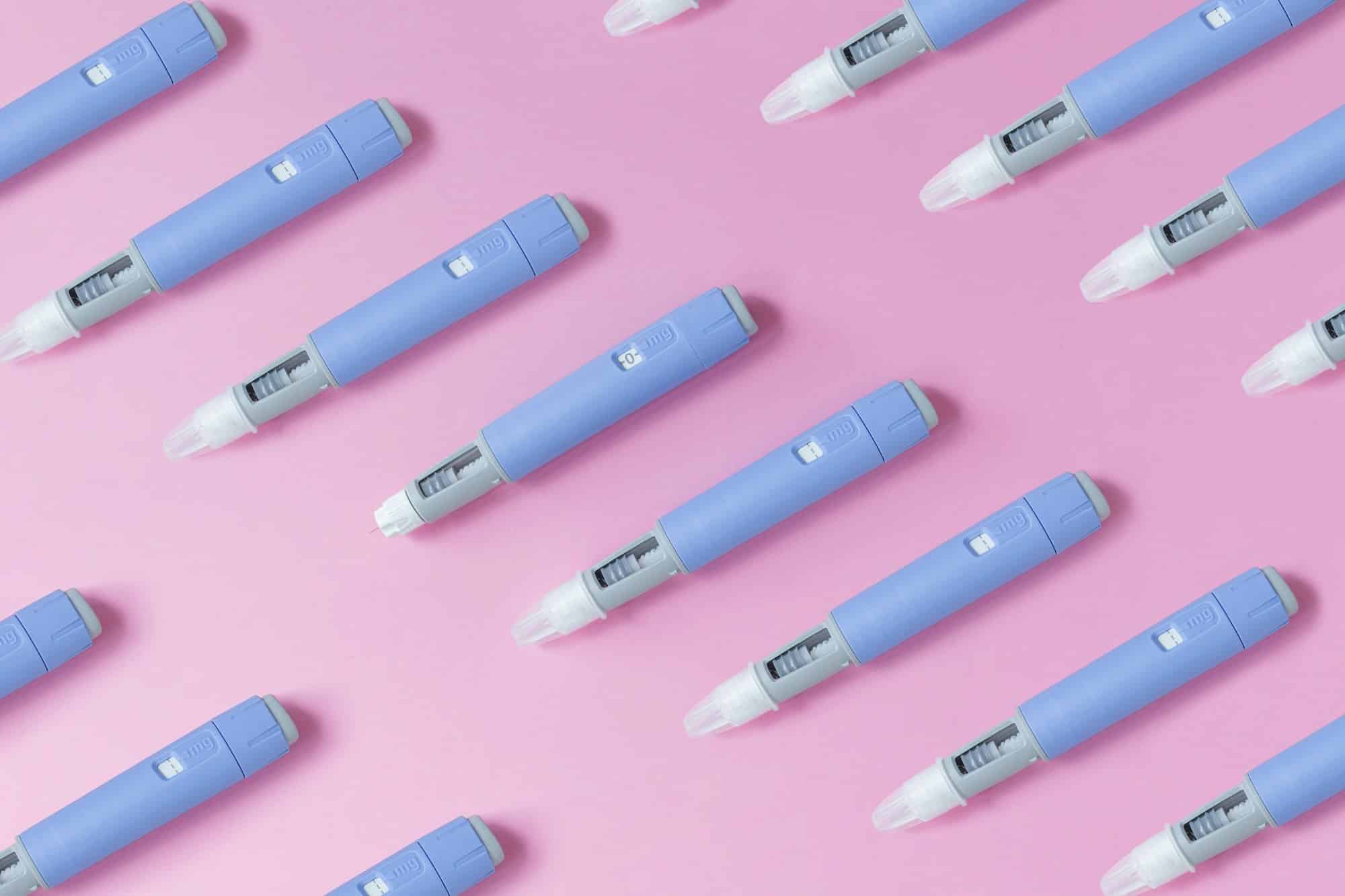
Starting July 1, 2026, Medicare will be paying for GLP-1 medications for weight loss ALONE. This is groundbreaking news.
Why is Medicare paying for weight loss medications?
Due to safety concerns around weight loss medications, like Fen-Phen (Fenfluramine/phentermine), Medicare’s Part D prescription plans have traditionally not paid for weight loss medications unless used for other reason like treating diabetes. Now with the development of newer and safer weight loss medications like GLP-1 including Wegovy and Zepbound that are specifically intended for weight loss Medicare is changing its tune. For example, Wegovy comes in a once-a-day pill instead of an injectable making it easier and simpler to take especially for those of us who do not like needles.
In fact, the pressure is on. Currently 12 % of all U.S. adults are using a GLP-1 for weight loss up from 5.8 % in 2024. This translates roughly into 1 in 8 adults compared to only 9 % of the Medicare population. This is likely due to lack of payment coverage until now.
The “new,” coverage rules for GLP-1 are simple. BMI (body mass index) of at least 35 alone makes the cut as considered obese or a BMI of 27 with 1 weight defining health issue like high blood pressure. BMI can be a confusing concept and calculation as takes into account both weight and height. For example, an average person of 5-foot 6 inches may meet BMI overweight coverage requirement at 155 to 185 pounds, and BMI obese coverage at 186 pounds or greater.
Common side effects of GLP-1 are nausea, vomiting, diarrhea, and constipation. The side effects are usually mild and tends to go away as the body adjusts to the medication. Rare but serious side effects are pancreatitis (inflammation of the pancreas), gallbladder problems, kidney issues, and bowel blockage. If you have a history or at risk for a certain type of thyroid cancer you should avoid its use unless instructed by your doctor.
How do I get GLP-1 for weight loss under Medicare?
Starting July 1, 2026, Medicare will help pay for GLP-1 for weight loss for ALL Medicare members who meet certain criteria AND enrolled in Part D prescription plans. However, there is a glitch. CMS is launching a new “Medicare GLP-1 Bridge Program,” that pays for weight loss medications outside of Part D deductibles and is a separate program. It will cost the Medicare member $50 dollars a month for a fill and can be used for initial weight loss and maintenance of weight loss.
It will also require prior authorization before you can pick up the medication. This is unusual for traditional Medicare (unlike Medicare Advantage or Medicare ran by the insurance companies) to require prior authorization but is a requirement to be sure the right patient is on the right weight loss medication. It also limits fraud, waste, and abuse.
How it works: your doctor submits a “prior authorization,” for a GLP-1 medication using a “Bridge covered,” exemption, this is sent to a CMS central processor that approves or denies, if approved the prescription is sent to the pharmacy of choice at a monthly cost share of $50 dollars. CMS has work out a negotiated price where it costs $245 per month to Medicare less the $50 paid by the member.
Any advice on GLP-1 or new Medicare payment program?
GLP-1 or Glucagon-like peptide 1 is taking America by storm. It was originally intended for the treatment of diabetes and weight loss but is gaining popularity for its weight loss benefits ALONE with the average person losing 15-20 % of body weight over 12 months.
Several GLP-1s are on the market with different FDA or approved indications for use. Semaglutide marketed as Ozempic is to treat diabetes compared to Wegovy and Zepbound that are approved for weight loss. There are others including Saxenda, and Foundayo. It is difficult to know which one to choose so always best to ask your doctor which one is right for you.
Medicare under its new “GLP-1 Bridge Program,” will be offering its members the ability to purchase these weight loss medications outside of the traditional Part D benefit (although you need to have Part D to qualify). Currently Part D for GLP-1 is not for weight loss ALONE but requires another qualifying illness like diabetes, obstructive sleep apnea (difficulty breathing at night due to increased weight), non-alcoholic cirrhosis or fatty liver, or heart disease to be covered.
Your doctor will need to submit for prior authorization that is unusual for Medicare outside of certain medications, and dural medical equipment. Another, glitch will be meeting medical necessity criteria under the “weight loss,” benefit especially for people already using their Part D benefit to pay for the medication. They will likely not be able to switch over to the new program unless it is a new prescription intended soley for weight loss.
Let’s see what the future holds-but for now let’s celebrate as Medicare is paving the road for weight loss medications to be covered allowing many seniors to benefit from its use. If you have any questions. AskDoctorH. We are here to help.
 Have Questions? AskDoctorH