

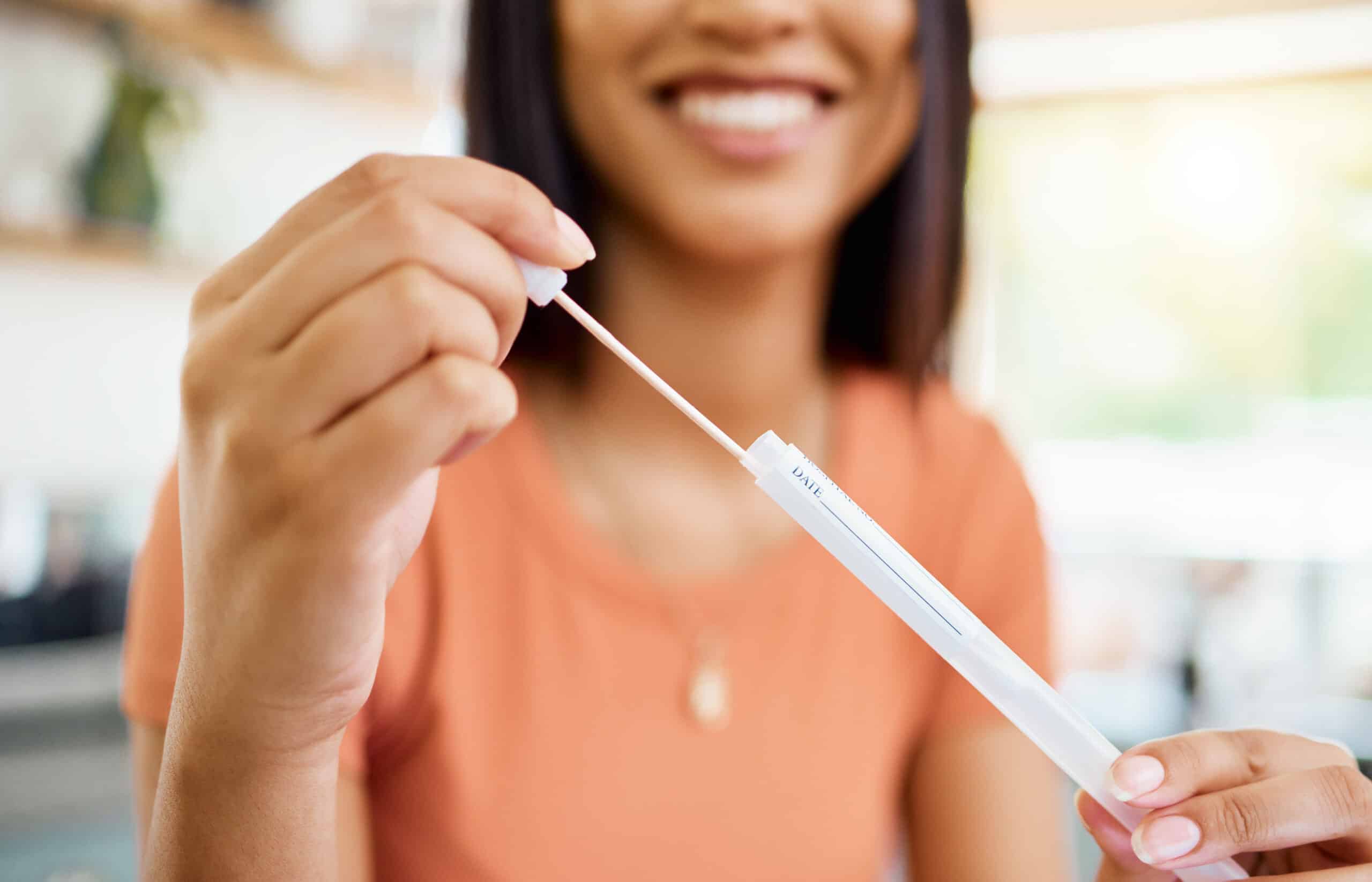
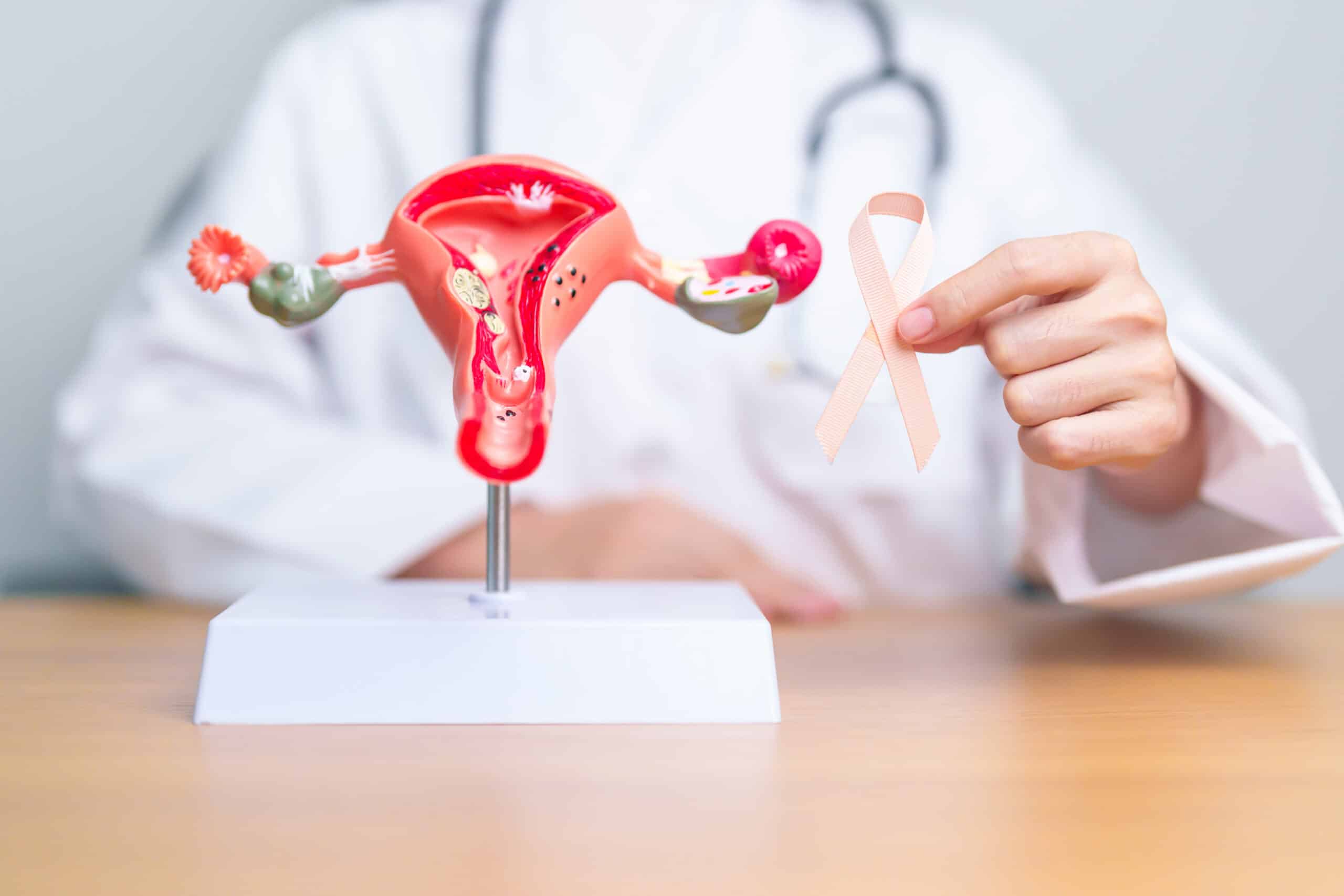
FDA announces a new screening kit for cervical cancer that can be done in the privacy of your home. This means no pelvic exam by your doctor.
How does the home screening kit for cervical cancer work?
American Cancer Society says if you have delayed or avoided cervical cancer screening you now can “self-test,” for the virus that causes cervical cancer in the comfort of your own home. FDA approved a new option of self-collection of vaginal samples and added it to the list of screening options for women.
How it works is simple. Your doctor orders a cervical cancer screen kit that is sent to your home. You collect your sample and either return to your doctor or directly to the lab. There are on-line kits you can order without a doctor’s prescription, but they are not FDA approved and may not be accurate.
The kit has a “self-swab,” that can be gently inserted into the vagina to get a sample to test. This sample is highly accurate for patients who prefer self-testing. The cervix does not need to be “scraped,” or brushed (as it did in the past) as part of the traditional PAP but simply swabbed for a virus called HPV or Human Papillomavirus.
HPV is easily detected on the walls of the vagina making a self-swab a great option for those of us who are reluctant to have this test done in the doctor’s office.
The reason home testing works is that the overwhelming majority of cervical cancers are from HPV making it a perfect test for screening. National Cancer Institute says based on solid evidence screening with HPV can detect high-grade cervical dysplasia, or the start of cervical cancer. FDA says HPV testing can be used ALONE for screening. If you do screen positive for HPV you will need to see your doctor for further testing.
In fact, the American Cancer Society (ACS) recommends HPV testing as the first test in screening women for cervical cancer. They go on to say the preferred screening is for the swab to be done by your doctor but self-testing at home is the next best option.
Who needs cervical cancer screening?
American Cancer Society recommends cervical cancer screening for all women (with a uterus and cervix) at average risk starting at age 25 years until age 65 or until at least 2 consecutive negative testings.
Cancer screening saves lives however 1 in every 4 women are not currently being screened in the U.S. To increase the number of women willing to be screened, the FDA has approved self-testing kits that can be done at home.
The PAP test or smear was the traditional screening test (usually done with a full pelvic exam) in the doctor’s office. PAP test requires lying on an exam table with feet in stirrups, a speculum inserted into the vaginal canal to view the cervix, and a small brush to collect the sample from the cervix.
A PAP or Papanicolaou is usually painless but can be uncomfortable in some women leading to considerable anxiety. There may also be cultural sensitivities or barriers to going to the doctor’s office including long wait times, travel times, and having health insurance to afford the cost of the visit and testing.
How common is cervical cancer? How is it transmitted?
Cervical cancer ranks 11th most common cancer for women in the U.S and is the 14th leading cause of female cancer deaths. Cervical cancer rates and deaths have improved over the years mostly due to screening in the doctor’s office.
The good news is that invasive cervical cancer happens slowly over months and even years. Not all cases of pre-cancer or “cervical dysplasia,” means cancer. Mild and moderate dysplasia may regress and get better over time.
HPV is a cancer-causing virus that is transmitted by sexual contact. Sexually inactive women rarely get cervical cancer while sexual activity at an early age with multiple partners is a strong risk factor for getting HPV. Nearly all women with cervical cancer have HPV. However, MOST women with HPV infection never get cervical cancer so infection alone is necessary for cancer, but other factors play a role.
Any last advice on the new FDA cervical cancer screening test?
The FDA has approved and endorsed by the American Cancer Society (ACS) a New do it yourself, home screening cervical cancer kit. It can be done by inserting a vaginal swab and sending off the test. The reason it works is that over 90 % of all cervical cancers are linked to high-risk viruses called HPV or Human Papilloma virus more specially 2 strains HPV 16, and 18 and can be identified in the vaginal canal without directly sampling the cervix.
Some studies tell us that self-collection for high-risk HPV is almost as good as collection done in the office. ACS says that if you screen negative with self -testing with at home kit that you do not need to test again for another 3 years.
If you test positive you will need to follow up with your doctor for next steps which will likely include a pelvic exam with close examination of the cervix. Keep in mind testing positive for HPV does not mean you have a cancer but does mean you are at higher risk.
With at home options for cervical cancer screening there is no excuse to avoid testing. Ask your doctor which screening method is best for you, and if you choose to screen in the privacy of your own home use only FDA approved kits.
If you have any questions AskDoctorH, we are here to help.
 Have Questions? AskDoctorH