
New study says stool (poop) testing is a safe and reliable way to screen for colon cancer and can be done in the privacy of your own home.
Who needs to be tested for Colon cancer?
Colon cancer is the 3rd most common cancer in the U.S. and the 2nd leading cause of cancer deaths. The best way of stopping colon cancer is by early screening starting at age 45 in people of average risk or those without a personal or family history of colon cancer.
The American Cancer Society (ACS) says the guidelines are updated to reflect new scientific evidence that stool-based home tests are just as good as colonoscopy in preventing colon cancer deaths in people at average risk if stool (poop) tests are done every 1 to 3 years.
Colon cancer screening used to mean having a colonoscopy every 10 years (if results are normal) until the age of 75 or even more often if you have a polyp. A polyp is an abnormal clump of cells or outpouching in the gut that can be an early cancer or normal.
50 % of all adults have polyps with only 5 % turning into cancer. Many people with polyp (s) seen on screening colonoscopy now commit themselves to more frequent colonoscopy (up to and exceeding 5 in a lifetime) without necessarily getting the benefits of cancer prevention at a higher cost and inconvenience than stool-based screening done at home.
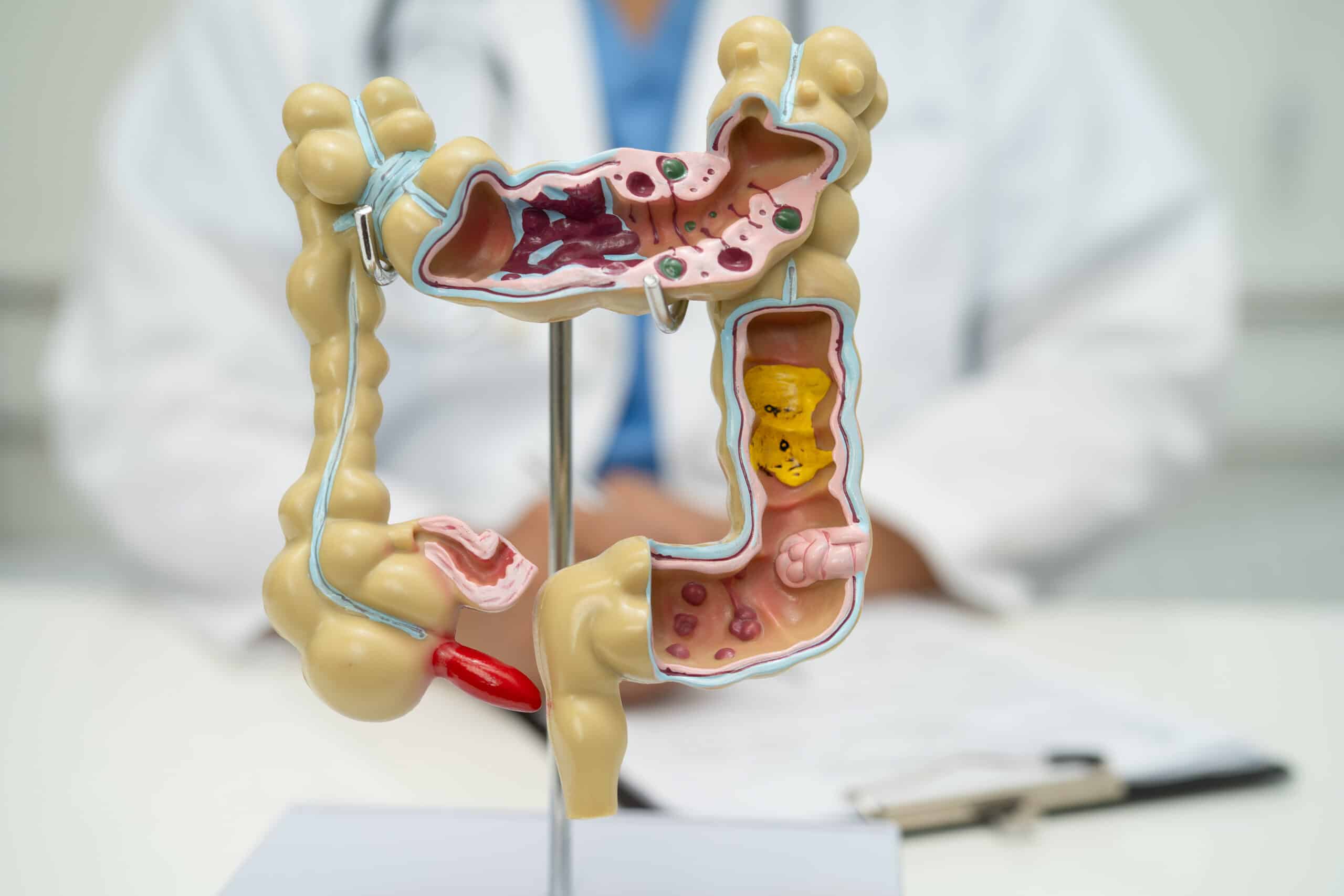
Colonoscopy is a procedure using a tube with a camera entering the large bowel (after cleansing with a bowel prep) that is done by a doctor under sedation to look for early cancers or polyps. It’s covered by most insurance companies subject to deductibles and co-pays as part of colon cancer screening.
What do studies say about stool (poop) testing for Colon cancer?
JAMA says screening with stool (poop) specimens reduces the risk of dying from colon cancer by 40 %. A study out of Sweden looked at 350,000 adults 60 to 69 years of age over 14-years using home-based stool samples (fecal occult blood testing or FOBT) and found the risk of dying of colon cancer was 43 % less in people who used the stool test.
The results were similar in a study reported in Lancet showing stool-based testing for colon cancer was on par or as good as colonoscopy to prevent cancer deaths. Based on these studies and others the USPTF (US Preventative Services Task Force) and the ACS says colonoscopy or stool studies are both excellent screening tests for colon cancer.
The downside is stool-based testing must be done consistently each year or every 3 years depending on the type of stool test compared to every 10 years for coloscopy. If the stool test comes back positive it must be followed up with a colonoscopy to inspect the entire bowel with on-the-spot biopsy if needed.
What are the stool (poop) tests and how do they work?
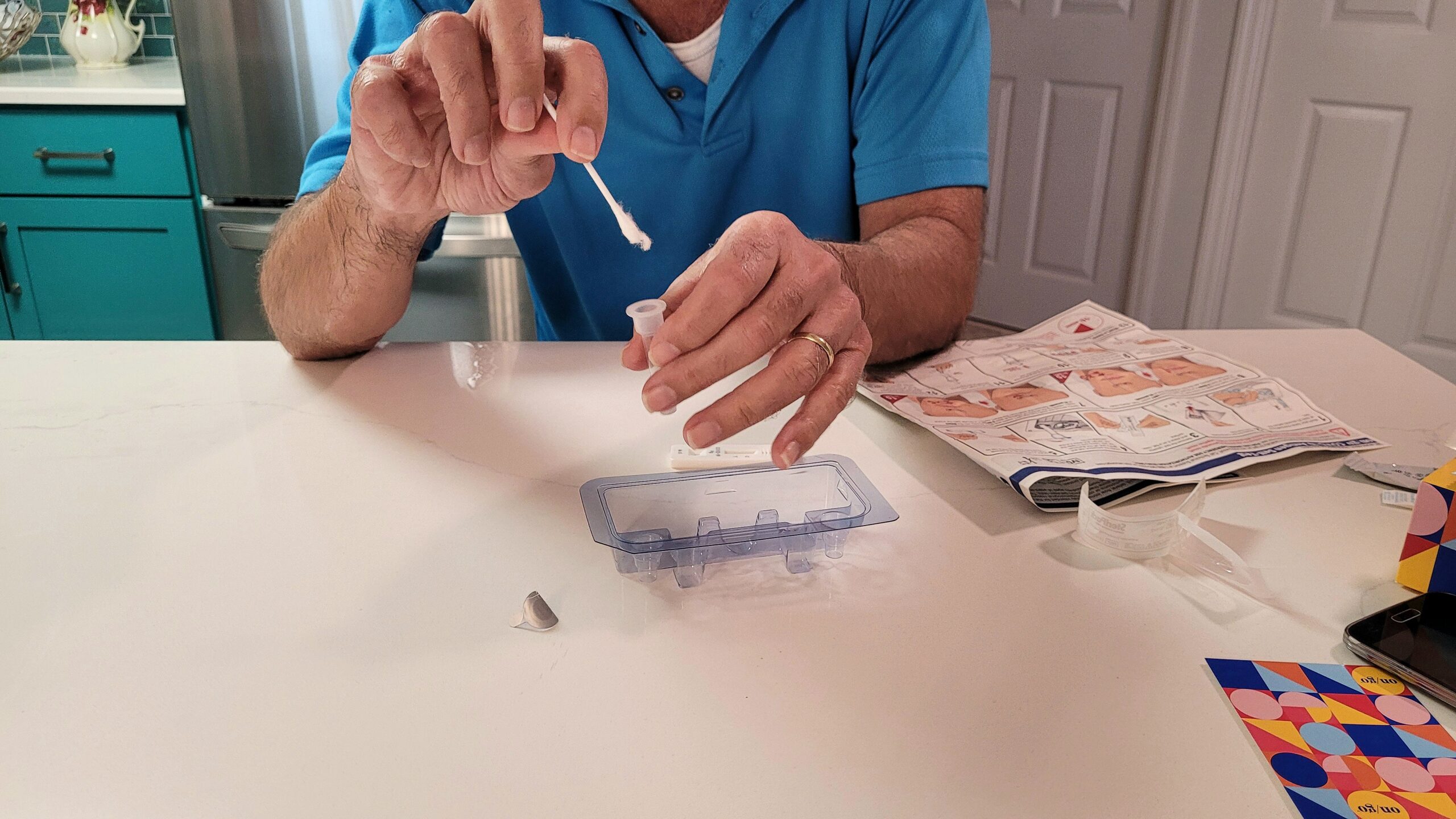
American Cancer Society (ACS) says stool tests is a good screening exam and can be done in the privacy of your own home. There are two kinds: A highly sensitive FIT (Fecal immunochemical test) or FOBT (Fecal occult blood test). Both work by detecting hidden or small quantities of blood in the stool that happens with early cancerous tumors.
The other kind of stool testing is multi-targeted cancer gene testing. It combines both the FIT (testing for blood) and genetic cancer fragments. Cologuard is an example of this kind of test. They are highly sensitive in finding cancer (over 90 %) and can be done every 3 years unlike the FIT test that must be done each year.
Any last advice on visual (Colonoscopy) or stool testing for colon cancer screening?
NEJM (New England Journal of Medicine) says colonoscopy may be better than stool studies for the initial or first colon cancer screening. The National Polyp study reports 50 % fewer deaths from colon cancer over a 20-year period in those people who opted for colonoscopy.
Fans of stool-based testing say the new scientific evidence shows stool testing is on par with colonoscopy in preventing cancer deaths reporting 43% fewer deaths. Stool testing has the added perk of being simple and can be done in the privacy of your own home with no down time, no need for a nasty colon “purge”, and without the risks of a procedure.
If you do not want a colonoscopy or do not like the idea of collecting stool (poop) at home there is another FDA approved option, a blood test or Shield that can screen for colon cancer in the blood. The ACS does not recommend this test over colonoscopy or stool testing but says is an option in those people who dislike other screening tests.
That said, colonoscopy is the most sensitive one-time test in identifying people who actually have an early cancer compared to a one-time stool test. It’s important to discuss which is best for you with your doctor but now with so many options there is no reason to skip testing because testing saves lives.
If you have any questions, AskDoctorH we are here to help.
 Have Questions? AskDoctorH