

New study says GLP-1 or weight loss medications makes you lose more hair than other diabetic medications.
Is “Ozempic Hair,” Loss Real?
BMJ (British Medical Journal) says hair loss or, “Ozempic Hair,” is real. The good news is that its reversible, or non-scarring so can grow back.
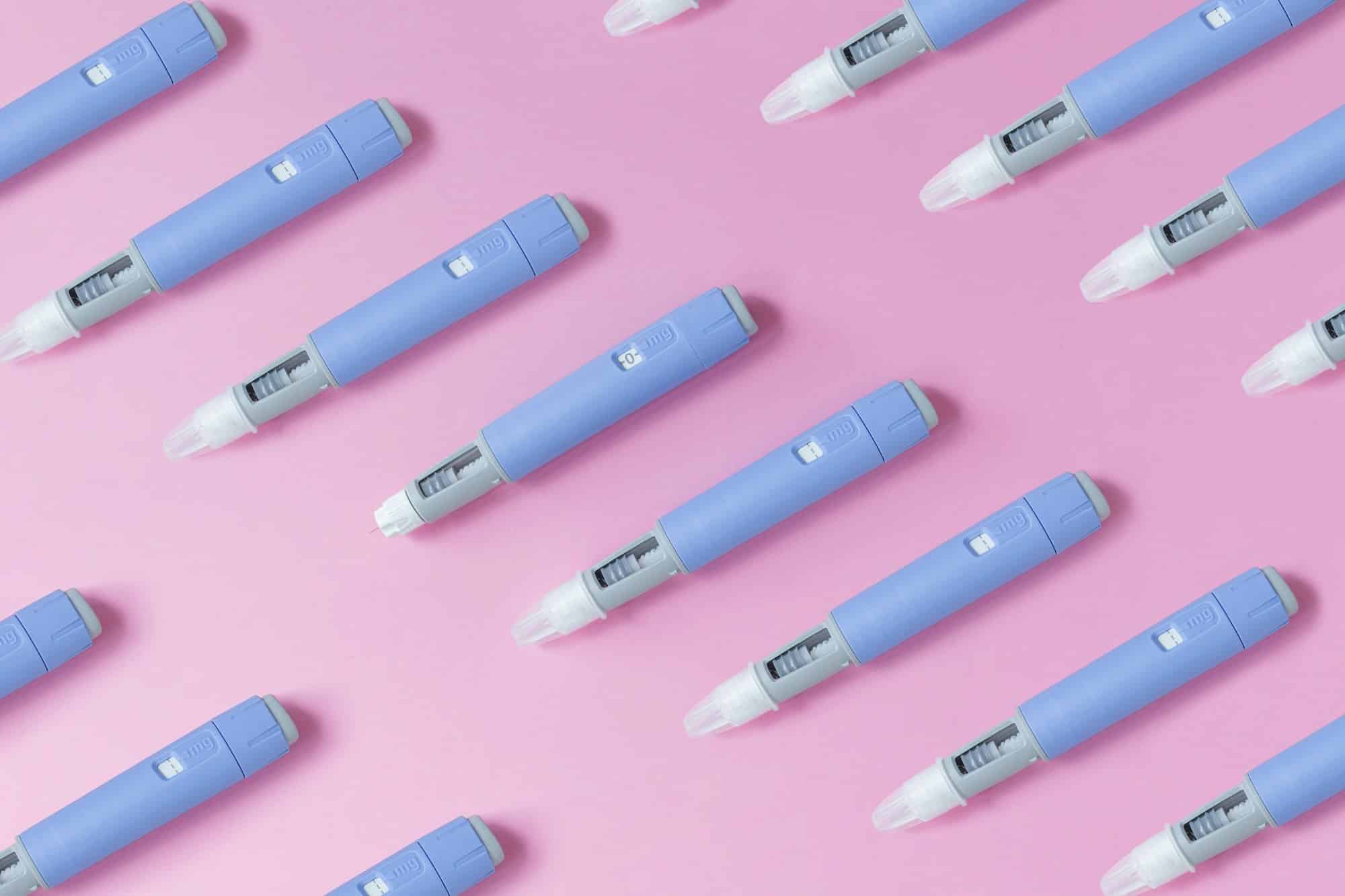
The study looked at 12,000 people and compared the risk of hair loss (alopecia) in those taking GLP-1 compared with other diabetic medications. There was a 40 to 70 % higher chance of losing or thinning hair when taking a GLP-1 like Ozempic (semaglutide), and Zepbound (tirzepatide) amongst others.
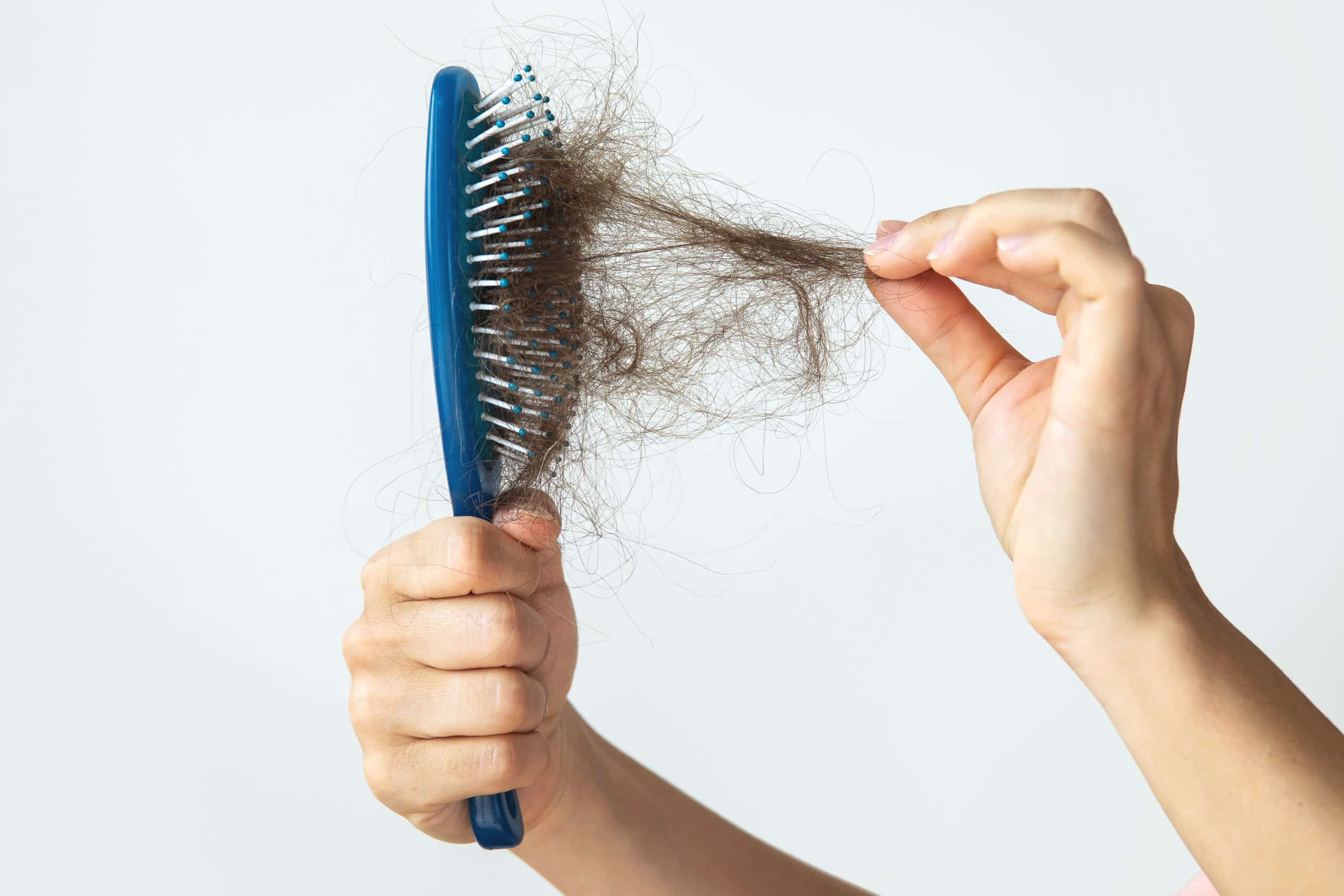
Hair loss from Ozempic is the kind that clumps in the drain after a shower. It happens months after starting a weight loss medication so many of us think it’s from something else. A clue is in the pattern of hair loss. For men it’s a receding hairline, and for women thinning across the entire top of the head with widening of the central part.
In fact, many people with Ozempic hair have a personal history of thin hair or hair loss even before starting the medication.
Why GLP-1 or Ozempic makes your hair fall out?
Experts say it’s not in the medication itself but rapid weight loss that makes hair thin and fall out. Rapid weight loss of more than 1 to 2 pounds a week can lead to “hair shedding.” This pushes hair into what’s called a quiet phase 2 to 3 months after rapid weight loss. During this time hair falls out clumping in the shower drain and hairbrush.
Eating too little or the wrong foods can speed up hair loss. It’s important if you are losing weight to eat enough calories including protein, healthy fats, iron, biotin and zinc all of which are important for hair growth. Rapid weight loss can also impact the thyroid, and other hormones causing even more hair loss.
Cleveland Clinic says hair growth is in a continual grow-grow phase requiring energy and protein to keep hair healthy. When your body is stressed, or your diet is low in protein, more hair is pushed into a “quiet,” phase leading to slow hair loss.
How to “fix,” hair loss?
If you start to lose hair a few months after starting GLP-1 you are not alone. It usually happens if we are losing more than 1 to 2 pounds a week. Do not stop the medication without talking to your doctor but a strategy is to lower the medication dose to slow down how fast you lose weight. If you are feeling nauseated or vomiting this is also a signal that you may need a dose adjustment.
If this does not work to stop hair loss, then it may be another problem. Blood tests including a comprehensive metabolic panel (CMP), thyroid tests, iron level, Vitamin D, Vitamin B12, and Zinc may be helpful. Your doctor can even order a testosterone level to see if hormones are playing a role in your hair loss.
Can medications help grow hair?
Starting a multivitamin (MV) along with biotin may help as some evidence says biotin and vitamins can stop hair loss. If you your hair is not growing back in a few months following supplements and slowing down weight loss, consider seeing a dermatologist or skin and scalp expert to be sure it’s not something more serious.
In terms of medications, one of the most popular for hair growth is Minoxidil. There are others your doctor may prescribe including spironolactone or Finasteride. They all work differently but can help with hair loss.
Any last advice on hair loss from GLP-1?
Hair loss from GLP-1 or Ozempic is usually from the stress of rapid weight loss or nutritional deficiencies including protein, iron, and zinc. The good news is the type of hair loss is NOT permanent unlike other types of hair loss.
It’s best not to stop your weight loss medication as losing weight is a healthy choice. GLP-1 controls diabetes and can improve obesity related health conditions like heart disease and high blood pressure. Just try to avoid rapid weight loss. If your symptoms persist despite lowering the dose and boosting nutrition, consider seeking medical advice for further testing.
And remember you are not alone according to the experts, 1 in every 3 people on GLP-1 have some degree of hair loss so try to “avoid a cliff effect,” and approach weight loss gradually. Reach for nutrient dense foods like fruits, vegetables, whole grains and leaner meats. And drink lots of water as dehydration can also make hair brittle and weak.
If you have any questions AskDoctorH, we are here to help.
 Have Questions? AskDoctorH