

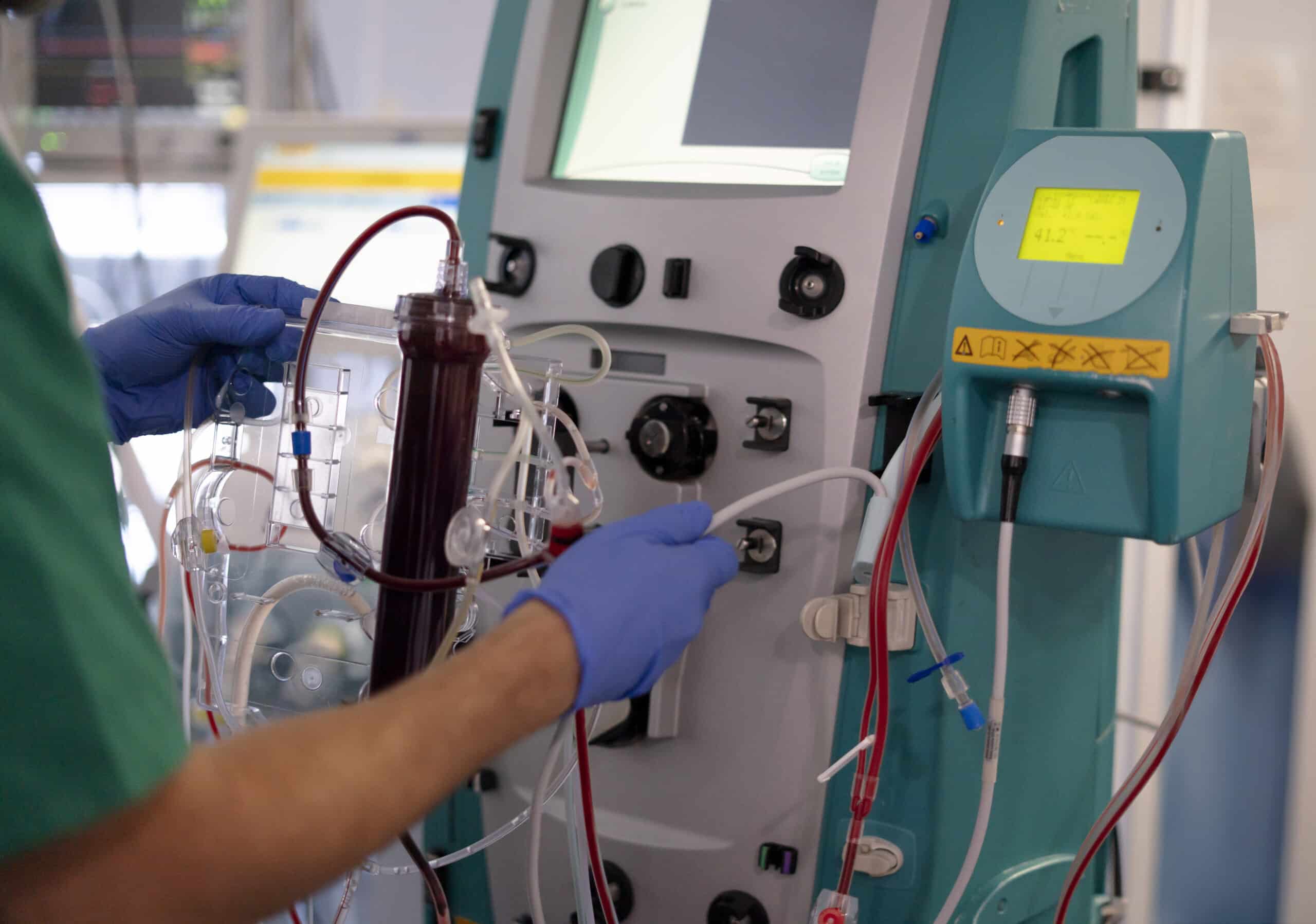

Dialysis saves lives. Dialysis is also a very profitable billion-dollar industry CMS says needs fixing. The “fix,” failed costing more and helping less.
What is dialysis and why is it important?
Dialysis is a lifesaving treatment for people with end stage kidney disease (ESRD) when kidneys stop working. 800,000 people in the U.S. have ESRD, and over 30 million people are living with chronic kidney disease (CKD).
The most common reason for kidney disease in the U.S. is diabetes and high blood pressure. Of those with ESRD the majority will end up at in-center dialysis facilities with the minority getting dialysis at home and even fewer with kidney transplants. 30 % of people with ESRD have a kidney transplant with only 2.8 % getting their transplants to avoid or pre-empt dialysis.
Dialysis is a very expensive treatment option. The cost is paid by taxpayer dollars mostly through Medicare or CMS as ESRD is a qualifying illness for enrollment regardless of age. $1 out of every $5 Medicare dollars are spent on treatment related to kidney disease with the average cost per patient with ESRD on dialysis of $80,000 dollars per year.
Kidney transplant unlike dialysis is the gold standard treatment of choice for patients with ESRD. It leads to longer and healthier lives and can be done pre-emptively or even before starting dialysis when kidneys fail and work at 20 % or less capacity. Kidney transplant is the best treatment for most people with ESRD. It increases life span, improves quality of life, and even reduces costs compared with dialysis.
Dialysis works by filtering and removing toxins and fluid-replacing the function of a kidney. There are 2 kinds of dialysis: in-center dialysis (hemodialysis) using a machine to filter blood through a vein, and home dialysis (peritoneal dialysis) using the natural membrane of the gut to filter toxins through a small tube placed in the abdomen.
Despite the miracle of dialysis outcomes are generally abysmal with only 40 % surviving at 5 years for in-center dialysis and 50 % surviving on home dialysis. The rates differ based on age with younger and healthier people with better outcomes. Dialysis is lifesaving and is the only viable option for people with ESRD while awaiting a kidney transplant.
In-center dialysis despite its high cost is very effective at removing fluids and toxins but is less liberating and time-consuming requiring travel back and forth to dialysis centers usually at a cadence of 3 times a week and requires sitting for a 3-to-4-hour stretch. Home dialysis on the other hand is gentler on the body, requires no travel time, and is done in the privacy of your home using small machines called “cyclers,” that can run while you sleep at night freeing up your day for more activities. It’s also less costly and has better outcomes for certain patients.
The reason for choosing more in-center dialysis in the U.S. compared to at home dialysis is not entirely clear but likely the combination of gaps in patient education about treatment choices, too many “crash, “dialysis (emergency dialysis) where in-center or hemodialysis is the most likely option, and a payment system that rewards or pays for “volume,” of dialysis over “value,” of care.
What’s the quick “fix,” for dialysis that failed?
ETC or ESRD Treatment Choices was the “fix,” by CMS in 2021 as part of a larger package of Innovative Treatment Choices with the goal to improve the quality of patient’s lives and cut costs. The fix changed the payment structure from “volume,” or number of dialysis treatments to paying for value including bonus dollars for more home dialysis, and greater accessibility to kidney transplants along with lower medication costs for patients on fixed budgets enrolled in Medicare Part D.
This was landmark legislation. It was the first time CMS (Centers for Medicare and Medicaid Services) created a “value-based,” care or ACO (Accountable Care Organization) for the treatment of kidney disease. It was designed to reward “value,” instead of “volume,” or the traditional based payment system that paid, for example, more dollars for in-center dialysis than at home dialysis.
While quality indicators showed an upward trend by 2025, the cost savings were too small to generate overall savings for Medicare with an expected $46 million net loss-after taking into account shared savings payments. Critics feel that part of the failure was focusing payment incentives on the dialysis centers instead of kidney specialists or Nephrologists to help prevent or slow the progression of chronic kidney disease especially in its early Stages.
Is there hope for a new fix to improve outcomes?
CMS is throwing in the towel on most value-based or pay for performance “fix,” for patients with ESRD ending the program on December 31, 2025. It seems the punch outweighed the cost although the trend was for better quality of care overall.
They are continuing part of the model called KCC or Kidney Care Choices with modifications. Kidney Care Choices pays Nephrologists a fixed or capitated amount to manage and treat Stage 4-5 CKD or advanced kidney disease with the goal of delaying the need for dialysis by robust treatment plans and better coordination of care with other specialists. There is also a bonus incentive for referral of patients for kidney transplant either pre-emptively (before dialysis) or for patients already on dialysis.
Newer models are likely to emerge on the horizon that align better with other innovative models by CMS to improve patient care and reduce costs. For now, we need to watch and wait for next steps but suggest the newer models align payment incentives with better holistic patient care indicators including incentives to practitioners to refer patients with kidney disease sooner to kidney specialists.
Current guidelines suggest referral to a kidney specialist at Stage 3-4 CKD where kidneys are already severely compromised. We suggest referral at even earlier stages of kidney disease especially in patients at higher risk of kidney injury including those with high blood pressure, diabetes or a family history of kidney disease as prevention is the keystone to healthly kidneys and reducing the need for dialysis.
If you have any questions, AskDoctorH, we are here to help.
 Have Questions? AskDoctorH